
An invitation to return to yourself
What Is Slow Living — And How to Start
5 min read
to the quiet, intentional life that was always waiting
I. What is slow living
Slowness is not laziness in disguise
Slow living is the radical act of choosing presence over productivity. It is a philosophy — not a pace — rooted in the belief that the quality of our moments matters more than the quantity of our output.
It borrows from the Italian Slow Food movement of the 1980s, which pushed back against the rise of fast food culture and reclaimed the table as a place of connection. Today, slow living extends that ethos into every corner of life: how we eat, how we rest, how we fill our homes, and how we spend the hours that are quietly, irreversibly ours.
To live slowly is to notice things. The steam rising from a cup of tea. The weight of morning before your phone asks anything of you. It is not a retreat from life — it is a return to it.
"Slow living is not about doing everything slowly. It's about doing everything at the right speed — savoring the hours rather than just counting them."
II. Why we need it
The world accelerated. Your nervous system didn't.
We are the first generation in human history to carry the entire world's news, demands, and noise in our pocket at all times. Notifications interrupt sleep. Feeds are designed to feel urgent. Rest has been reframed as something to optimize rather than simply receive.
The cost shows up quietly at first — in the tension behind your eyes, the fatigue that doesn't lift, the sense that you are always behind. Chronic stress rewires the nervous system, inflames the body, and gradually erodes the capacity for joy. We weren't built for this.
Slow living is not nostalgia. It is not anti-technology. It is a conscious recalibration — a decision to design your days around what genuinely nourishes you, rather than what simply keeps you busy. Research in behavioral psychology consistently shows that intentionality, ritual, and savoring experiences are among the strongest predictors of lasting wellbeing. Slowness is not a luxury. It is a necessity the modern world forgot to mention.
From the deer soul shop
Small rituals, thoughtfully made
Every Deer Soul product is designed to anchor you to the present moment. Our herbal blends and wellness goods are slow by nature — crafted with whole ingredients, without shortcuts, for those who believe that how you care for yourself is part of who you are.
Morning Ritual
Herbal Tea
Herbal Lotion
III. How to start
Begin with one unhurried moment
You do not need to quit your job or move to a mountain. Slow living begins with a single decision, repeated until it becomes second nature. Here is where most people find it easiest to start:
01
Create a morning anchor
Before your phone, before the news — give yourself ten minutes that belong only to you. Tea, stillness, a few slow breaths. This single habit shifts the tone of the entire day.
02
Do one thing at a time
Multitasking is a myth that exhausts us. Choose one task, give it your full attention, and notice how differently it feels when you return to it completely.
03
Reintroduce sensory pleasure
Slow cooking. A long bath. The feel of a warm mug. These are not indulgences — they are the body's language for safety. Let your senses catch up to the present moment.
04
Build in transition time
The modern schedule leaves no space between demands. Protect ten minutes between meetings, meals, and obligations. The pause is where you come back to yourself.
05
Let rituals do the heavy lifting
A ritual is any repeated action done with intention. Brewing tea. Journaling. Evening walks. When you ritualize slowness, you stop having to choose it — it chooses you.
Share your slow moment
What does slowness look like in your life right now? A cup of tea before anyone else wakes up. A walk without your phone. A meal made from scratch on a Tuesday. Tell us below — we read every one.
share
Latest Posts
Check out the latest blog posts...
-
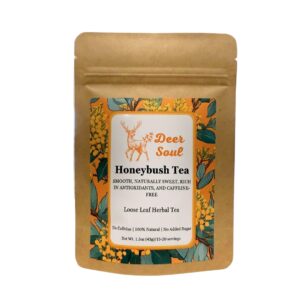
Honeybush Tea
Price range: $5.00 through $14.00 — or subscribe to save 10% Select options This product has multiple variants. The options may be chosen on the product page -
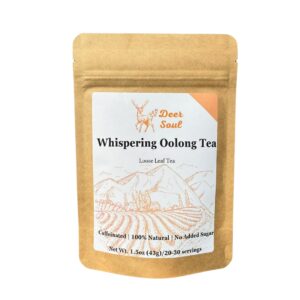
Whispering Oolong Tea
$14.00 — or subscribe to save 10% Add to cart -

Forest Circle-Forest Guardian
$100.00 / month Add to Cart -
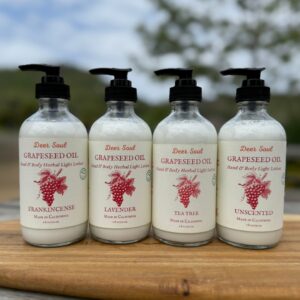
Grapeseed Herbal Light Lotion
$24.99 — or subscribe to save 10% Select options This product has multiple variants. The options may be chosen on the product page -
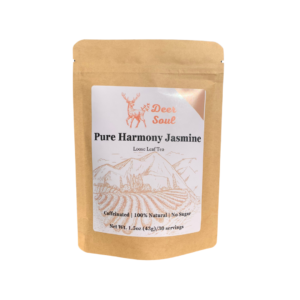
Pure Harmony Jasmine
$14.00 — or subscribe to save 10% Add to cart -
Sale!
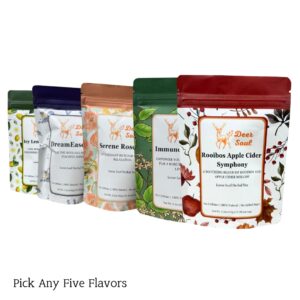
5-Pouch Bundle – Pick Your Own Flavors & Save $10
Original price was: $70.00.$60.00Current price is: $60.00. — or subscribe to save 10% Add to cart -
Sale!
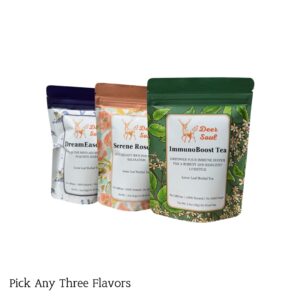
3-Pouch Bundle – Pick Your Own Flavors & Save $4
Original price was: $42.00.$38.00Current price is: $38.00. — or subscribe to save 10% Add to cart -
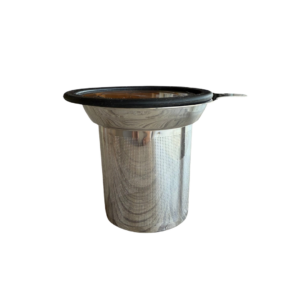
Stainless Steel Tea Infuser with Lid
$8.50 Add to cart
I was born and raised in the capital of Taiwan, where life moves fast and so did I. I walked fast, worked fast, and always felt like I was chasing the next thing.
One day, I stopped and asked myself: what am I rushing for?
That question changed everything.
I realized I wasn’t looking for more speed—I was looking for peace. I started creating small moments of stillness: putting my phone away, reading a book with a warm cup of tea, and taking slow walks with my dog while listening to birds and the gentle sounds of nature.
Slow living, for me, is not about doing less—it’s about being more present.
It’s choosing calm over chaos, intention over urgency, and peace over pressure.
I’m still learning, but this journey has helped me reconnect with myself in the most beautiful way.